More Than a Board, A Story of Place
When we first came together through the Heritage Keepers Programme, we found ourselves asking a simple question: how could we give something meaningful back to the place that has given so much to us? The programme, facilitated by the Burrenbeo Trust, encourages communities to explore, celebrate, and protect their local heritage through projects that connect people more deeply with the places they call home. Very quickly, our conversations returned again and again to the shoreline, the harbour, the estuary, and the stories that have shaped Carrigaholt for generations.
We realised that so much of our local history lives in fragments, in conversations, memories, photographs, traditions, and stories passed from one person to another. We wanted to create something that would gather some of those threads together and place them in the public realm, somewhere they could be encountered by locals and visitors alike. The former Fisheries Co-Op building felt like the perfect location. For decades, it stood at the centre of Carrigaholt’s maritime life and remains deeply connected to the identity of the village. As the building enters a new chapter through the work of Loop Head Rowing Club, it seemed only right that its walls would also carry the stories of the past, while looking confidently towards the future.
From the beginning, we were determined that this project would not focus solely on history in the traditional sense. We wanted it to reflect continuity, the idea that heritage is something living, shaping who we are today and influencing who we may become tomorrow. The sea that sustained earlier generations continues to shape community life, recreation, identity, and ambition in Carrigaholt today. In creating this interpretive board, we hoped to honour those who came before us, celebrate the present community, and inspire curiosity, pride, and connection for years to come.
The stories featured here are only a starting point. Each one offers a glimpse into the wider maritime, cultural, and social heritage of Carrigaholt and the unique relationship between this community, the Shannon Estuary, and the Atlantic Ocean.
The crowd watches the unveiling of our Interpretive Board, May 3rd, 2026
Photo by The Heritage Keepers
The Folklore of the Shannon
How was the Shannon formed? Many years ago, there was a woman called Sionna. She was adventurous and curious, and roamed all over Ireland in search of wisdom, or éigse. Sionna eventually came to a deep well surrounded by hazel trees, the nuts of which would fall into the water. As she watched, Sionna saw the Salmon of Knowledge leap from the water to catch the hazelnuts as they fell.
Sionna knew that this éigse must be contained within these nuts, and that in order to gain it, she would have to catch the Salmon of Knowledge and eat it. But as soon as she touched the water, it rose up in a great torrent and swept her away. The water carried Sionna across the land and, as she moved, she was transformed into a great river.
Thus, Sionna became the river deity of Ireland’s longest river, which still bears her name today.
There are many tales of how the Shannon came to be. Today, the river stands as Ireland’s longest river and one of the most important in the country’s history. The Shannon Estuary is also one of the longest natural harbours in Western Europe, at approximately 97 km in length. Both the estuary and the river are rich in maritime, archaeological, cultural, and historical heritage, and have featured in story, song, and art for centuries.
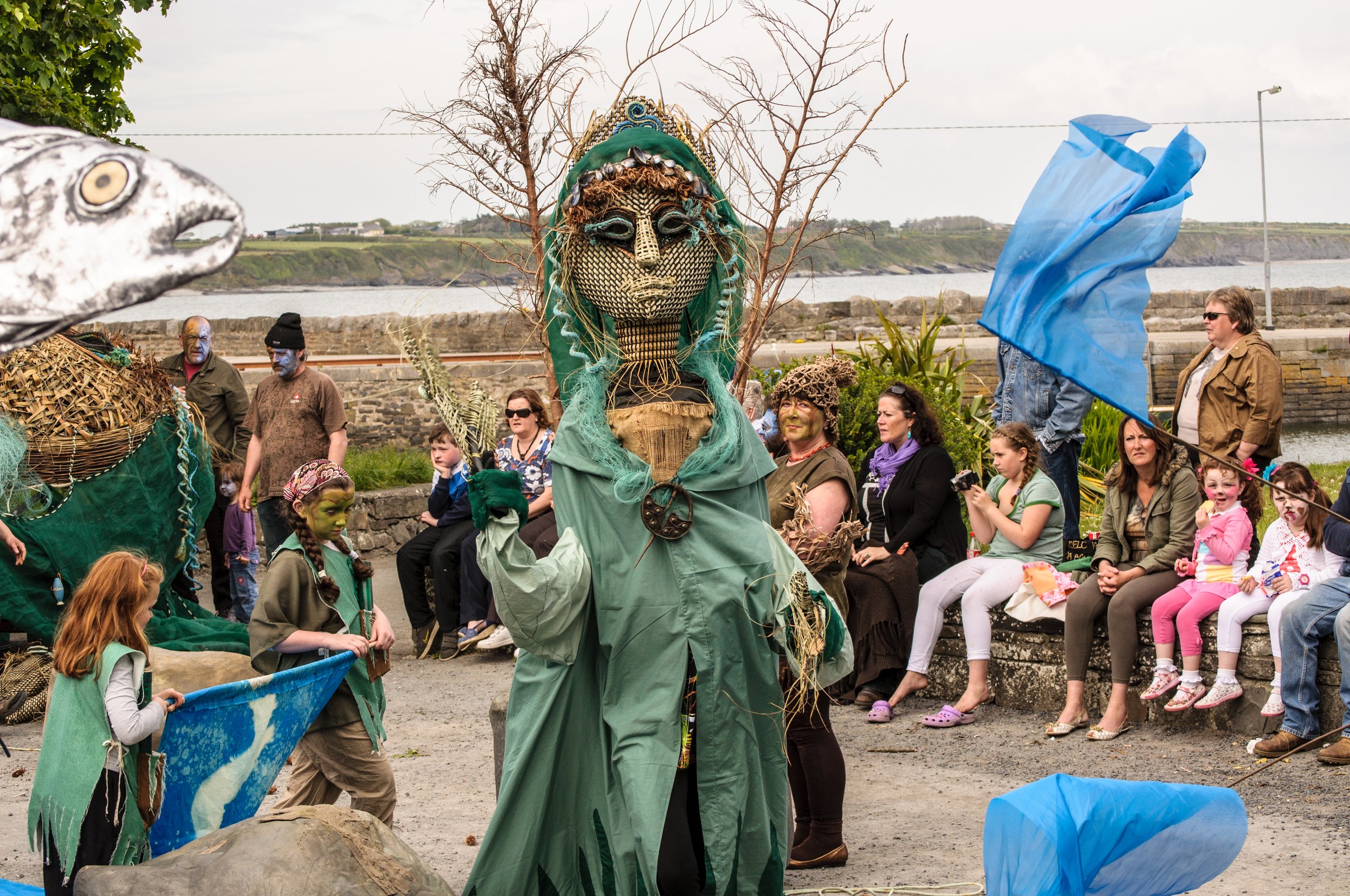
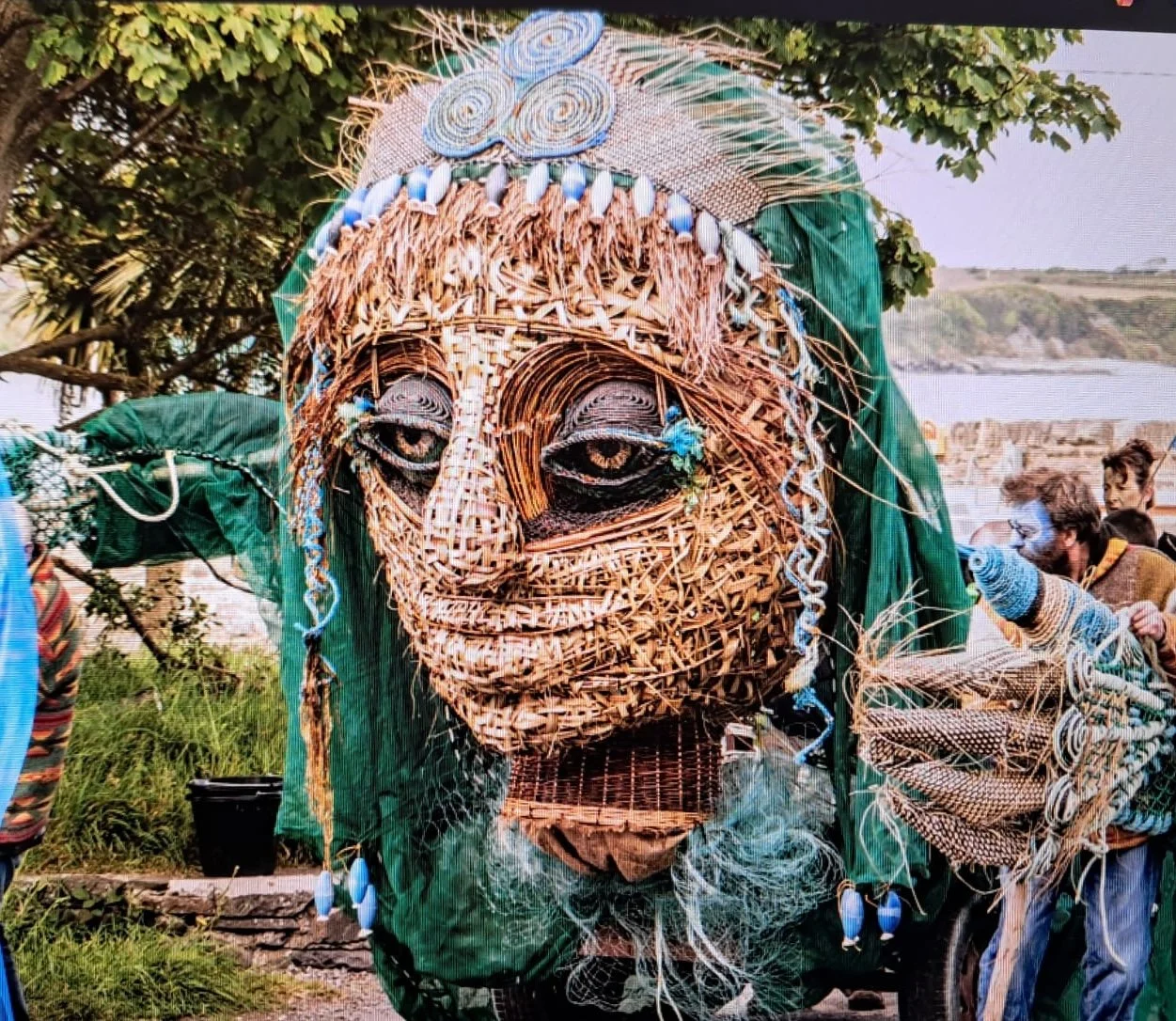
Figure of Sionna, fabricated in wicker and flax for performance by Loophead Studio (Naomi Wilson/Brian Doyle) in collaboration with local community, 2012.
Photo credit: Johney Maloney
The Shannon Estuary Pilots
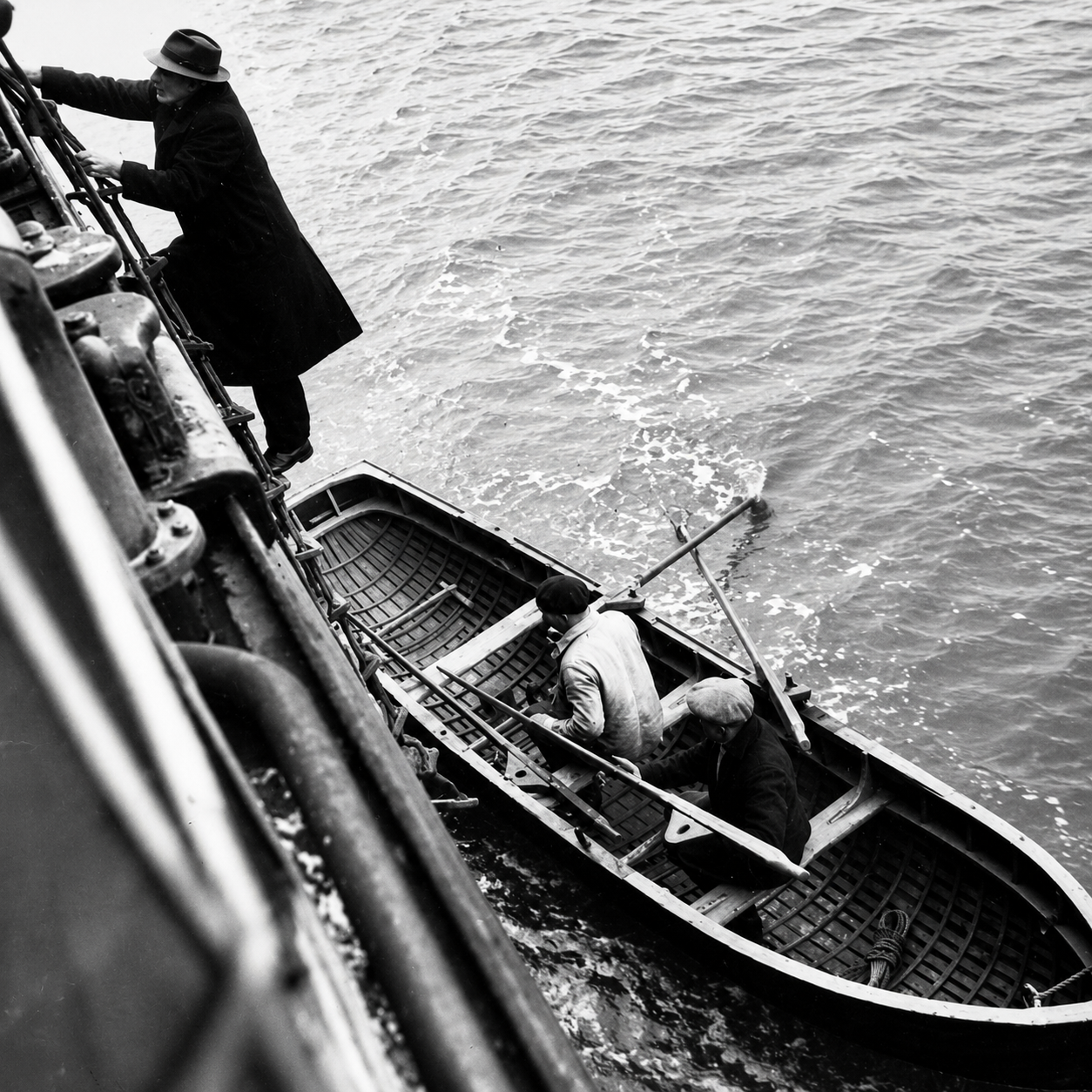
Felix Brennan, Scattery Island Pilot, boarding a vessel in 1953
Photo Credit: Eve Brennan, Scattery Island Heritage Group
Before lorries and motorways, the Shannon Estuary was a vital gateway along one of Ireland’s most important shipping routes. During the nineteenth and twentieth centuries, cargo from across the world travelled up the Shannon via the estuary, and riverside communities depended on this trade for their daily needs.
However, the estuary was dangerous to navigate without local knowledge. An Act passed in 1823 required all ships to take a Pilot on board to guide them through these waters.
Two groups of Pilots emerged: the Western Pilots, who operated from Loop Head to Grass Island (just off Bunratty), and the Eastern, or Limerick, Pilots, who took over from Grass Island onwards. Many of the Western Pilots came from the Kilbaha area. A friend or family member would row the Pilot out to a ship in a canoe, and the first to reach it secured the job.
This was dangerous work, even for men deeply familiar with the waters, and many lost their lives. The most tragic incident occurred in May 1873, when five men from Kilbaha set out to assist an Austrian ship, the Nico: Michael Brennan, his nephew Thomas Brennan, Pat Carmody, John McNamara (who had only recently married Pat’s daughter), and Séamus Bán Crotty (James Crotty). A sudden, powerful wave overturned their boat, and all five men perished.
The name of Loop Head Rowing Club’s first boat, The Five Pilots, honours their memory, with each seat named after one of the men who lost their lives that day.
The History of the Fishermen’s Co-Op
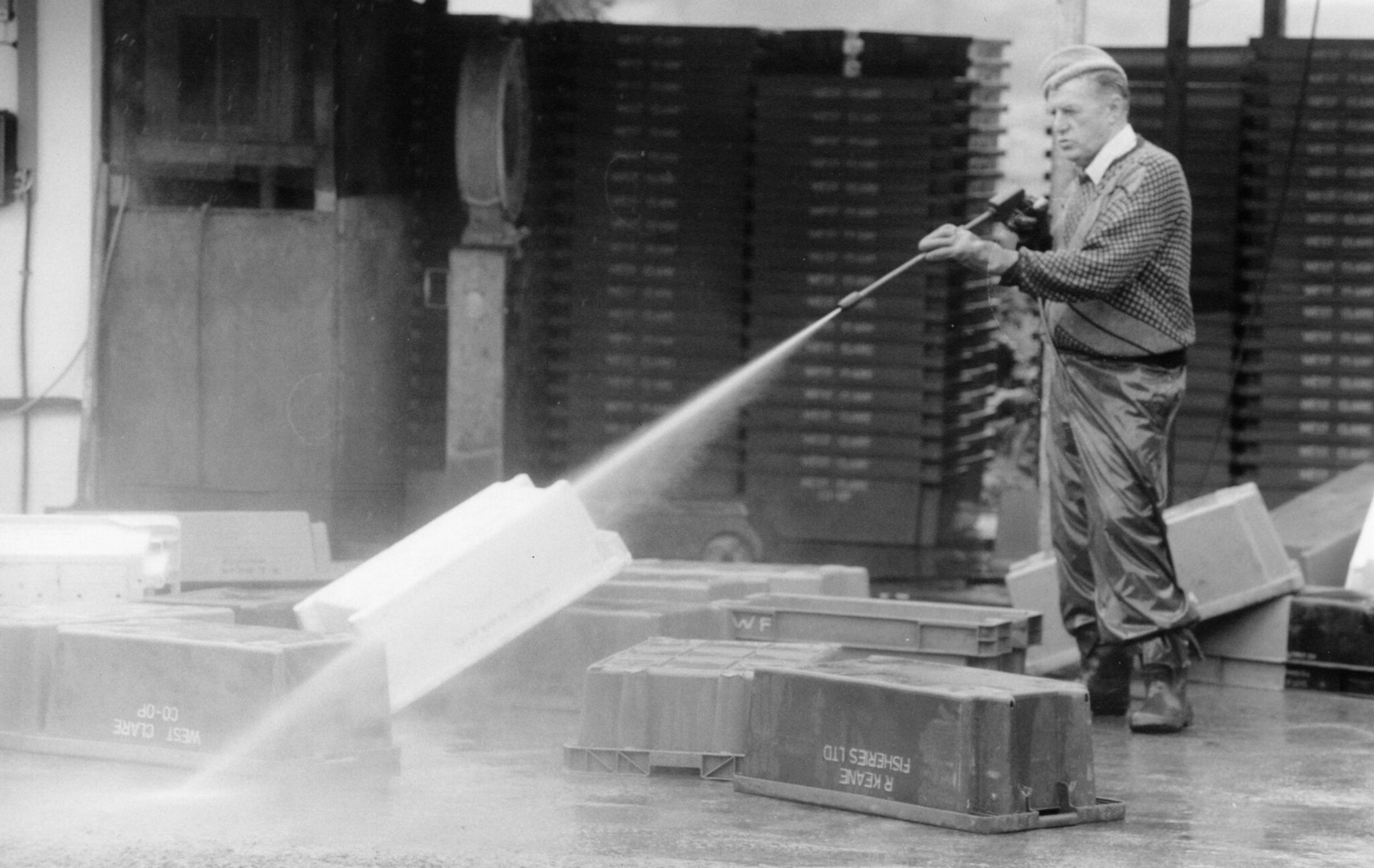
Washing fish-boxes - West Clare Co-Op
Photo by RedsonTour via Flickr, licensed under Creative Commons CC BY-NC-ND 2.0.
The West Clare Development Co-operative Society Ltd, located in the Square in Carrigaholt, was established in the 1980s as a fishermen’s co-operative. The very building on which our board is installed was constructed for the purposes. Local tradition holds that the stone used in the front façade of the building came from outbuildings at Liscrona House, linking the structure to the wider built heritage of the area. The co-op’s objective was to secure better prices for locally caught fish, ensure that earnings returned directly to fishermen, and to improve the marketing of fresh fish landed in the village.
Fishing had long been central to the economy of Carrigaholt and the wider Shannon Estuary. The co-op developed alongside the growth of the spurdog fishery during the 1980s. Spurdog (Squalus acanthias), commonly referred to as “dogfish” in Irish fishery statistics, became an important commercial species for fishing communities along Ireland’s western seaboard, with landings exported to the United Kingdom for a lucrative market known as rock salmon.
Sales records that exist from the records of the co-op document the development of this fishery between January 1987 and January 1989, reflecting a period of rapid expansion and growing economic importance. Over time, changes in fish stocks, markets, and regulations led to a decline in this once-thriving industry and the co-op ceased trading.
Boats that once fished these waters in the Shannon Estuary included the Glendine, Ros Bearla, Molly Bawn, Rathfarnam, Mac Dara, Westkusten, and Maria.
Today, the premises stand as a reminder of Carrigaholt’s strong fishing tradition and the efforts of local fishermen to work together in sustaining their livelihoods and community. The building now houses Carrigaholt Post Office, a community shop, and acts as a base for Loop Head Rowing Club.
The West Clare Currach
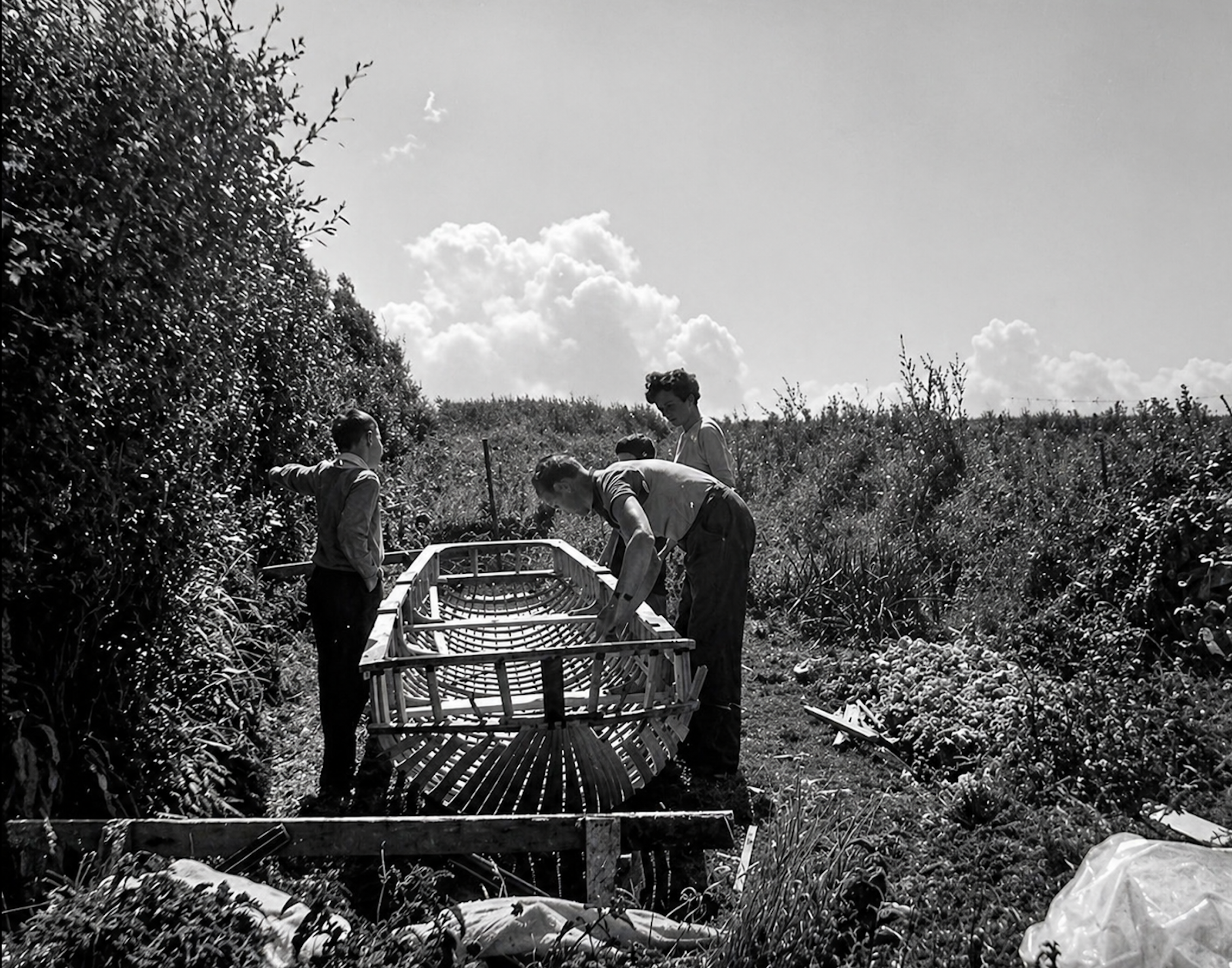
(Dermot) Derry Hedderman, currach-building in his garden in Carrigaholt
Pictured (L-R) Bernard, Derry, Winifred (partially hidden), and Mary Hedderman
Photo Credit: Hedderman Family Collection
The waters around our peninsula have long been a place of work, skill, and seafaring tradition. In West Clare, the traditional currach was often known simply as a “canoe”- a light, tarred boat that fishermen carried down the beach before setting out onto the Atlantic or the Shannon Estuary.
For thousands of years, the currach was the only boat that many coastal communities could afford. It enabled fishing, transport (of people and animals), and a range of other uses. Until the modern era, currachs were made exclusively from natural materials such as animal hide, willow, and hazel. Few written construction plans exist, as the craft was traditionally passed from craftsperson to apprentice by word of mouth.
Although modern materials are often used today, the currach’s essential qualities remain unchanged. It was designed to be strong enough to carry up to half a tonne of fish and nets, yet light enough to be lifted by its crew. It has a shallow draft, allowing it to sit high on the water, and is propelled by unusually long oars with narrow blades, providing greater stability in rough seas. The oars are worked hand-over-hand, enabling quick recovery even in choppy conditions.
The currach holds a significant place in the cultural heritage of West Clare, reflected in the inclusion of “Sea Currach Making” on Ireland’s National Inventory of Intangible Cultural Heritage.
If you would like to grasp a sense of the significance of the West Clare Currach and of how it shaped this part of the world, we highly recommend this beautiful piece from John Creedon’s Wild Atlantic Way series.
In this episode, John spends time in West Clare, where he joins a currach crew on the water and experiences, first-hand, the rhythm of life along Ireland’s western edge. It is a thoughtful and atmospheric glimpse into a maritime tradition that has carried stories, livelihoods, music, and memory across generations.
The programme captures not only the beauty of the coastline and the Shannon Estuary, but also the warmth, resilience, humour, and quiet strength of the people connected to these waters. For anyone interested in currachs, coastal heritage, or the spirit of West Clare, it is a truly special watch.
Rowing Heritage & the Birth of Loop Head Rowing Club
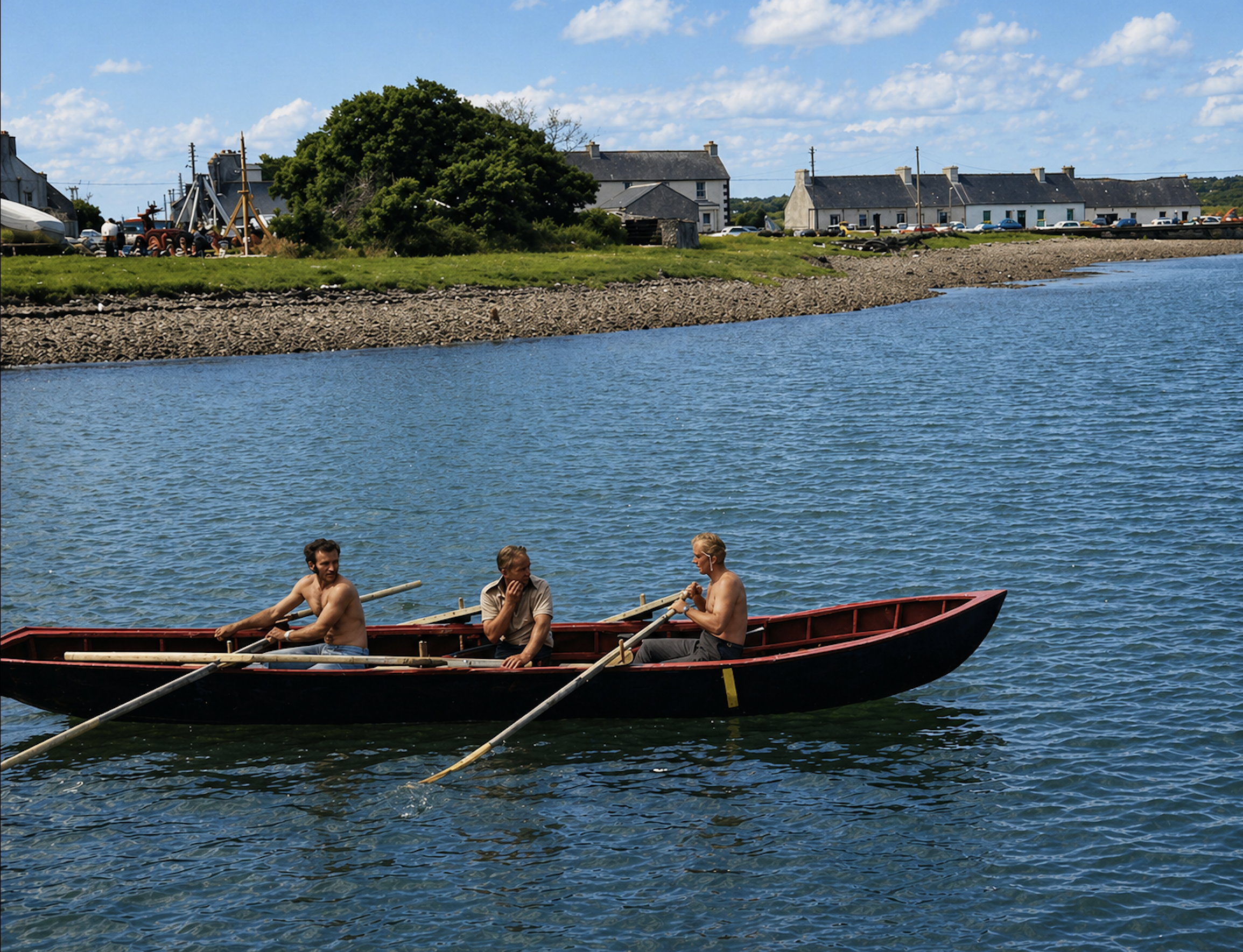
(Dermot) Derry Hedderman, Tommy Murray, and PJ O’Gorman early 1970s, Carrigaholt Bay
Photo Credit: Unknown
Alongside its vibrant fishing tradition, Carrigaholt has maintained a strong heritage of currach-making. Derry Hedderman was a key figure in this tradition, known for building many currachs right here in Carrigaholt. He was not only a skilled builder, but also a competitive rower.
In 1969, he helped revive the Carrigaholt regatta to preserve the tradition of currach racing. Derry, Tommy Murray, and PJ Gorman went on to win the local Griffin Cup for several years, until they were defeated in 1974 by a team including Jim Fennell, Joe Scanlon, and Derry’s own nephew. Regattas continued regularly until around 1987.
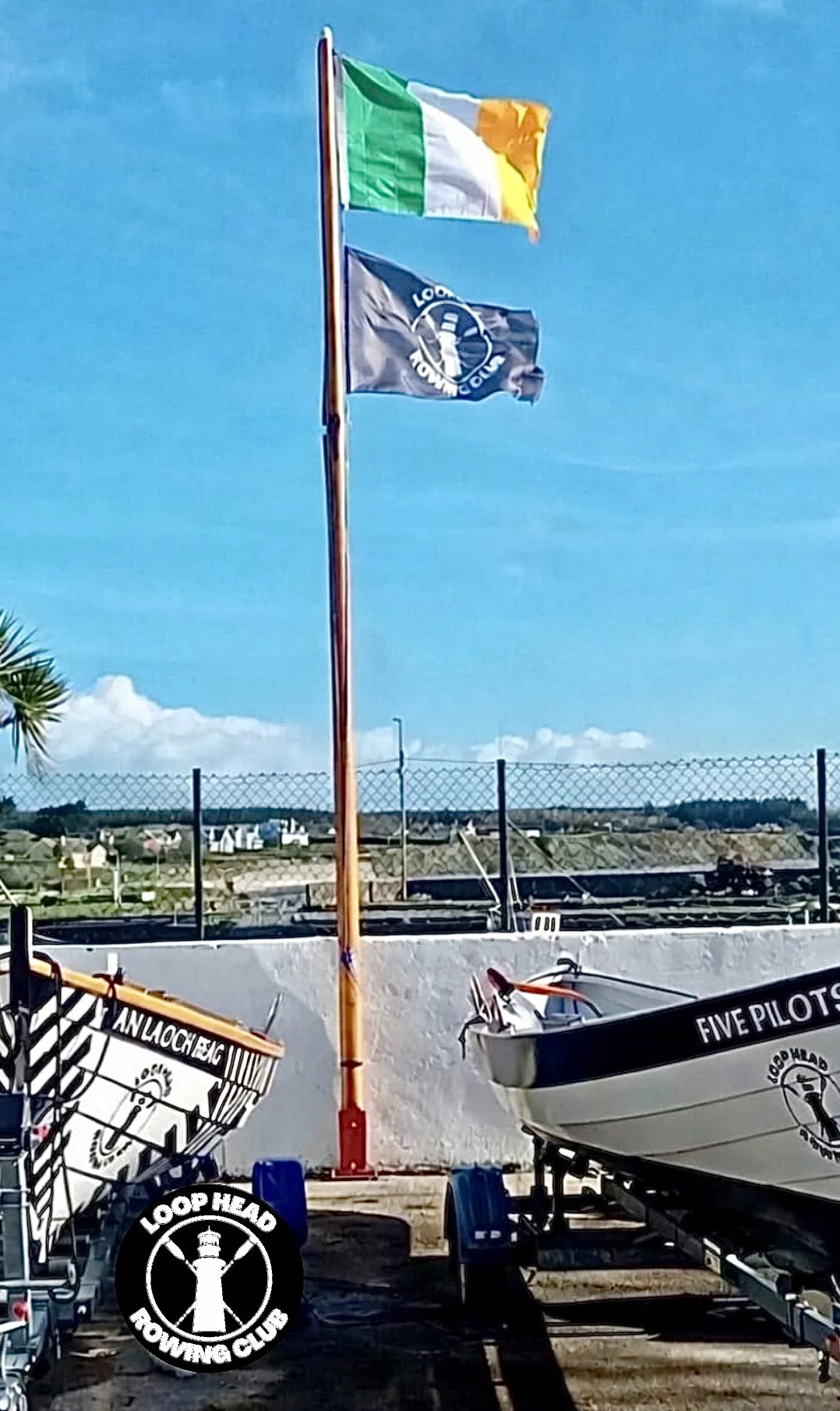
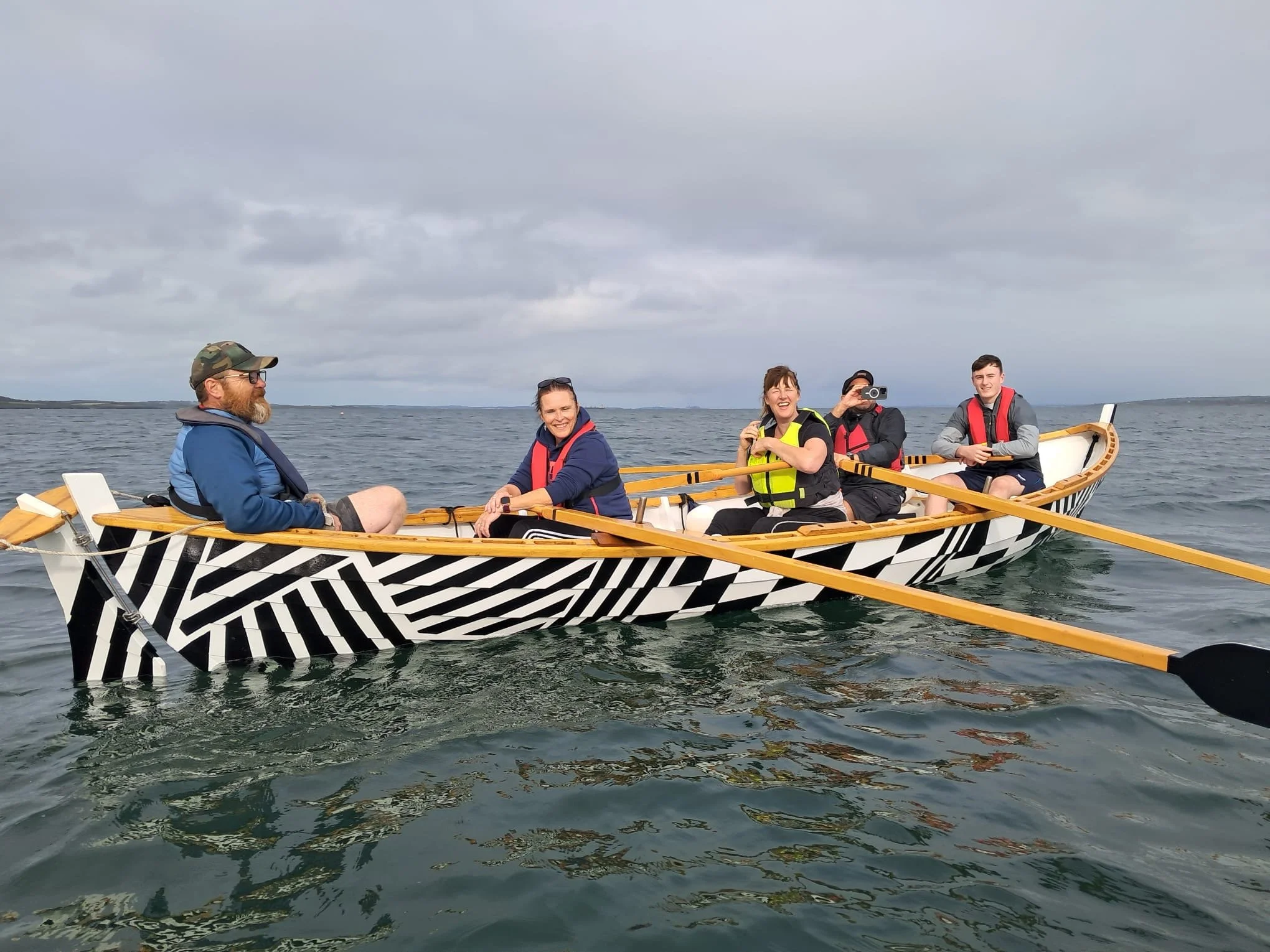
Building on this rich maritime heritage, Loop Head Rowing Club was formed in 2023. What began as a simple idea among a few locals, quickly grew into a remarkable community effort. Volunteers came together to build the club’s first St Ayles skiff with grant funding from Limerick and Clare’s Educational and Training Board’s REACH programme. Many had no prior boat-building experience, yet together they created a beautiful wooden vessel named The Five Pilots, honouring the estuary’s maritime history.
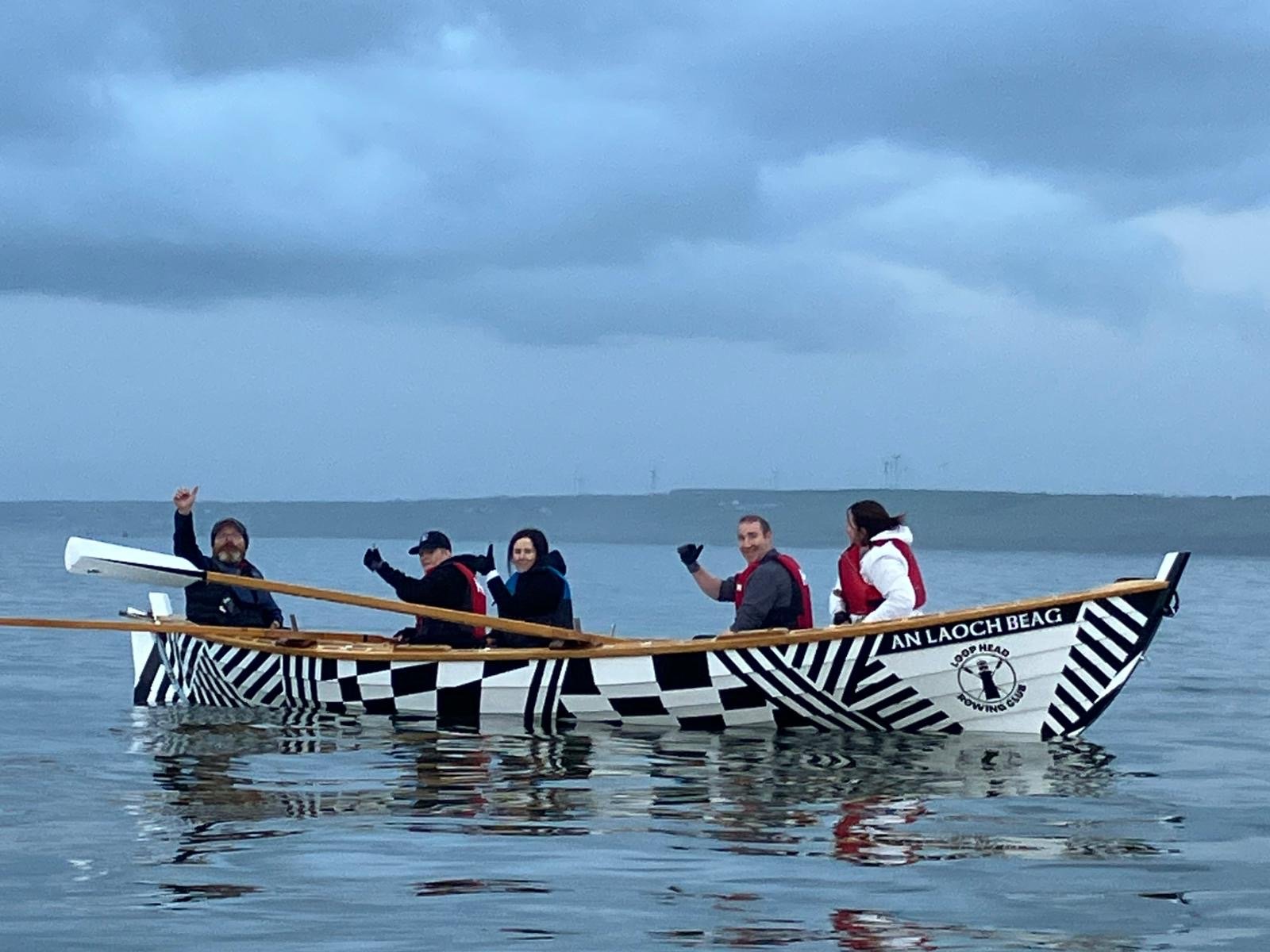
Soon afterwards, the club expanded its fleet with a second skiff, An Laoch Beag, meaning “the little warrior”, further strengthening rowing in the community.
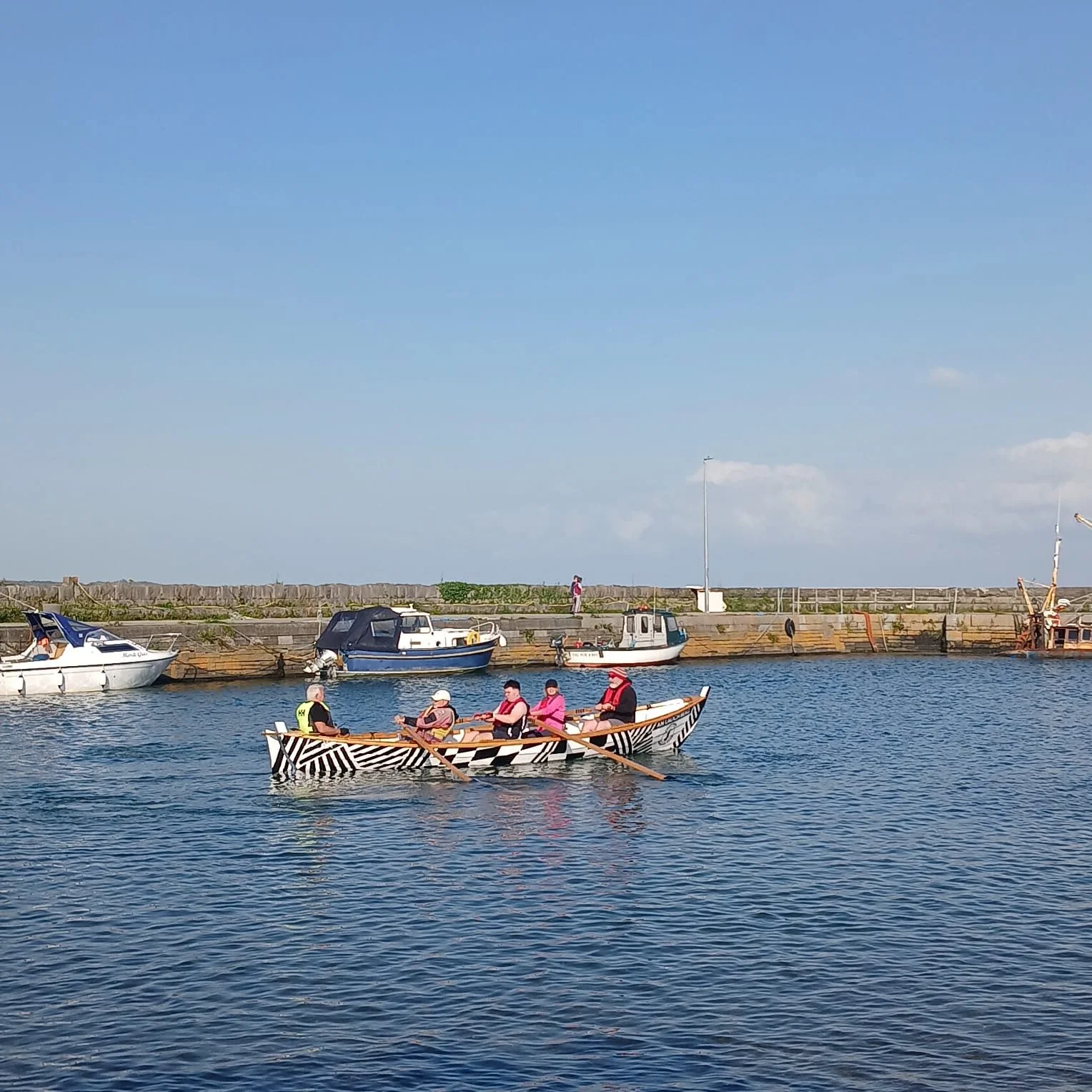
Today, the club has brought new life to the shoreline. Rowers of all ages take to the water, strengthening both a sense of place and community connection.
Loop Head Rowing Club represents a continuation of the region’s seafaring story, where long-standing traditions inspire new generations to explore the waters around them.
Ní neart go cur le chéile.
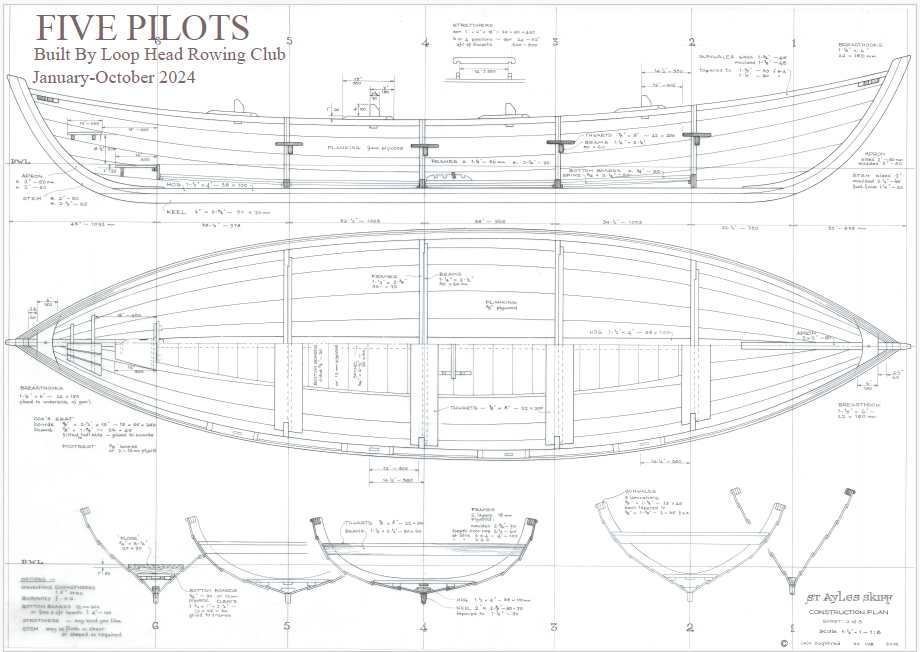
Click the image to see a PDF of the Five Pilots drawings
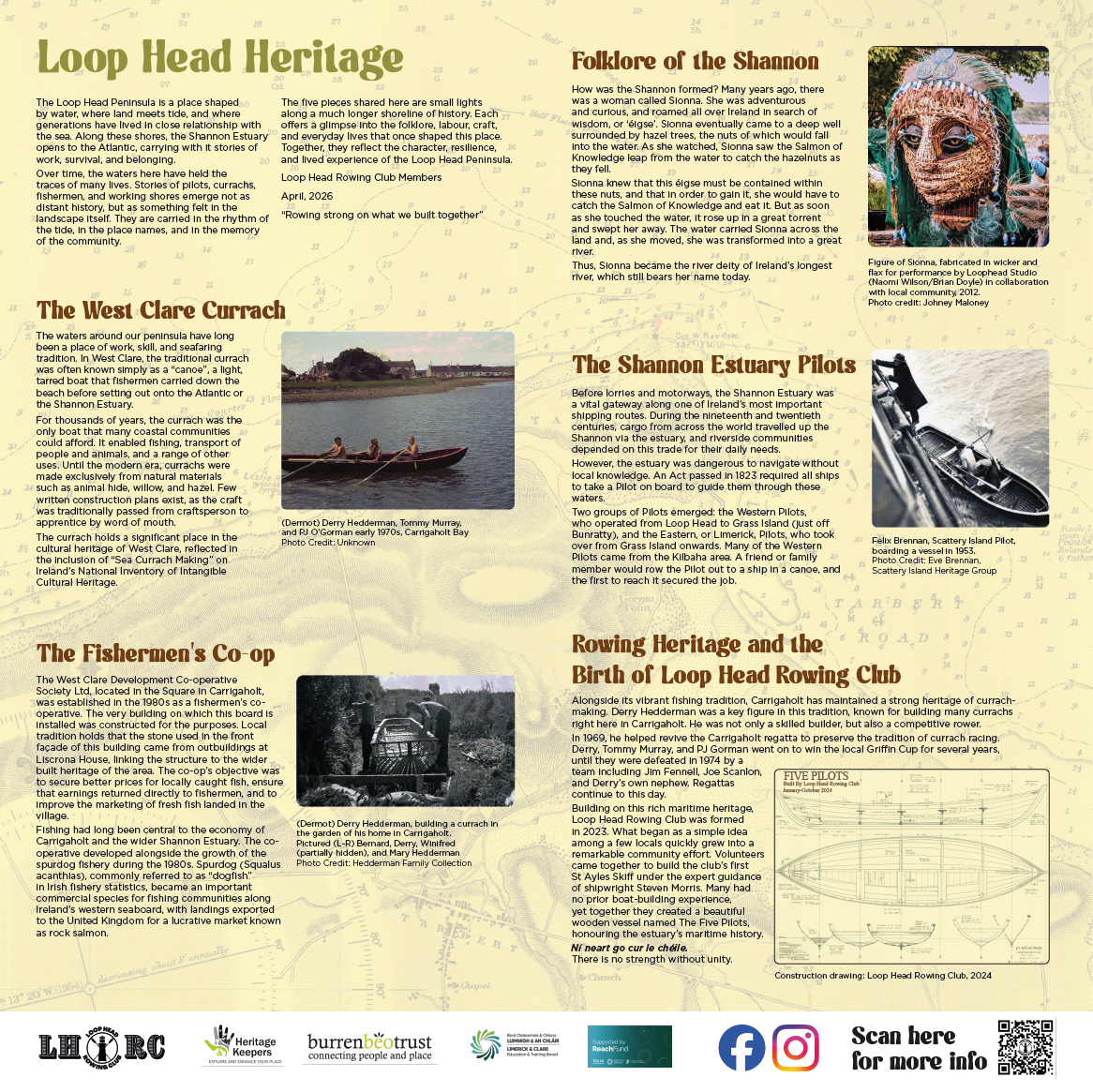
Click the image to see a PDF of the board
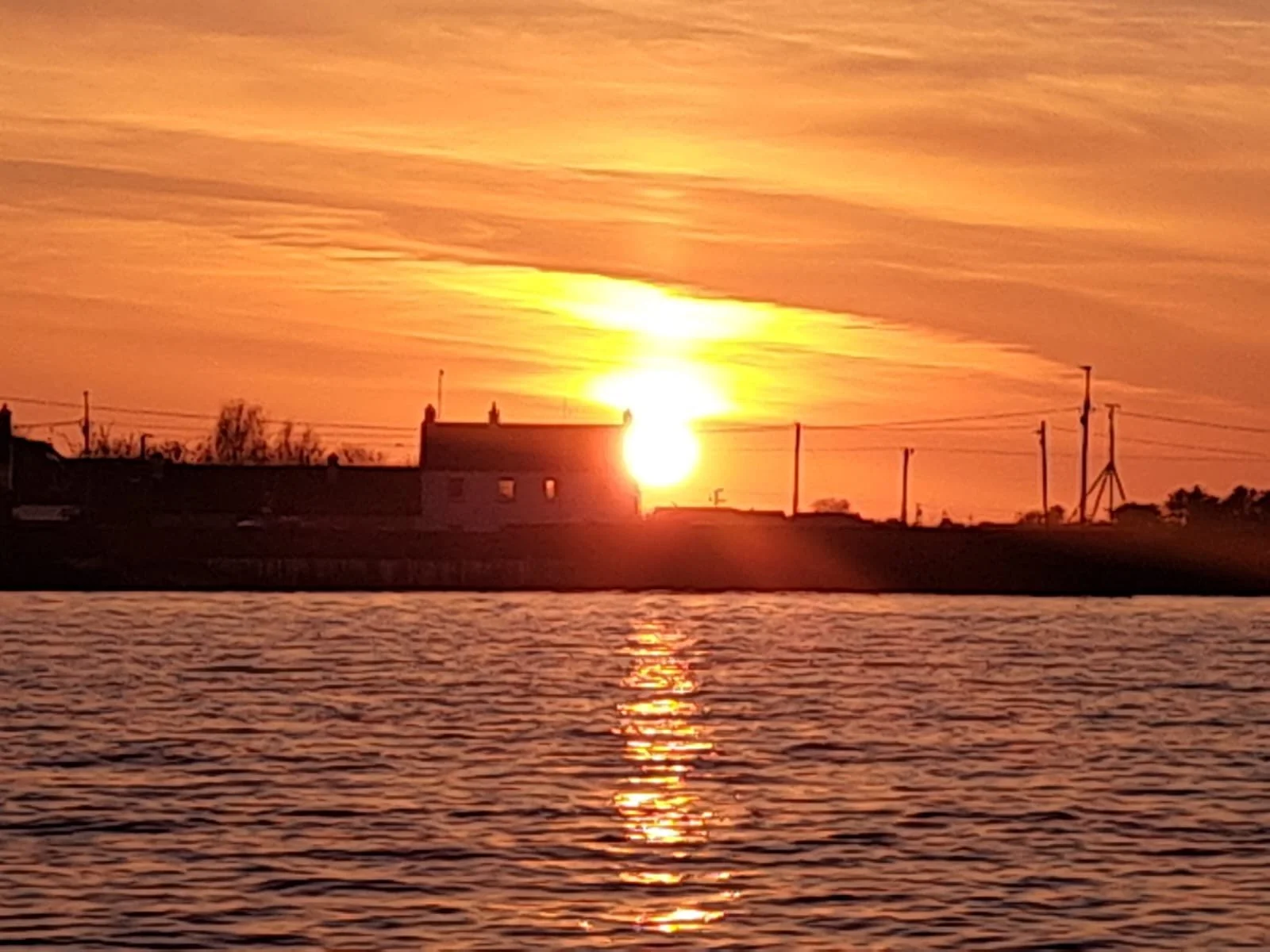
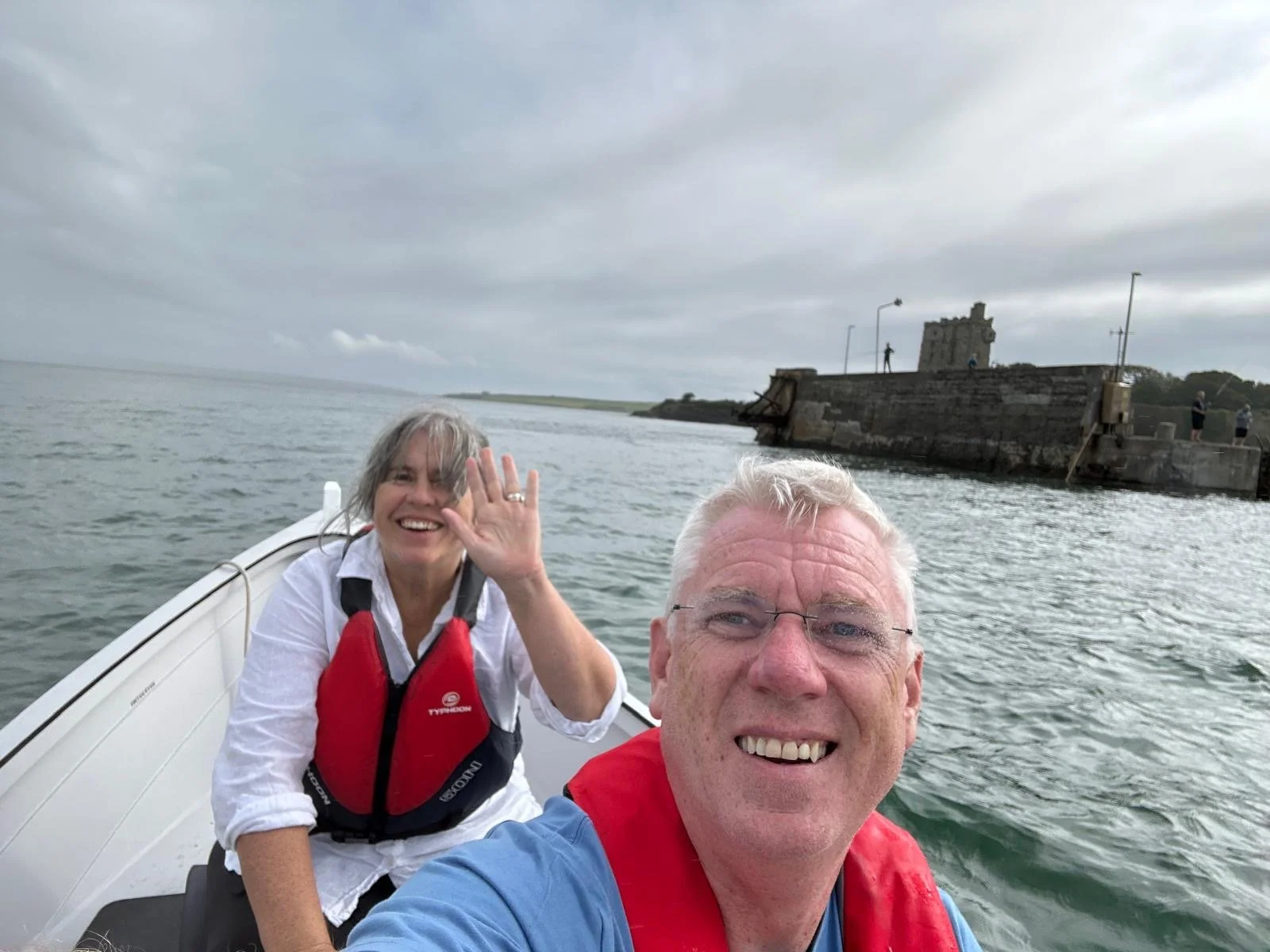
Looking Back, Rowing Forward
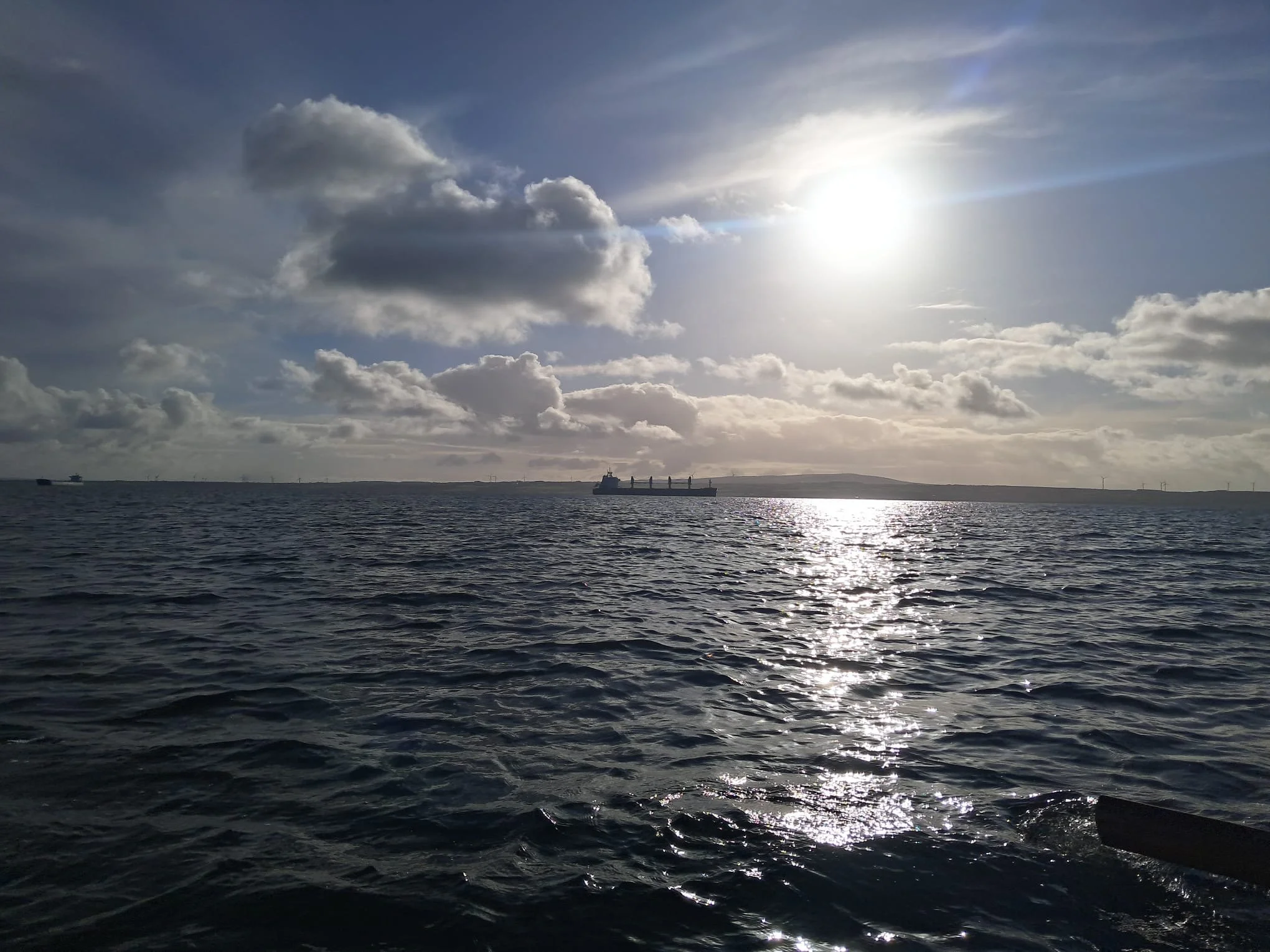
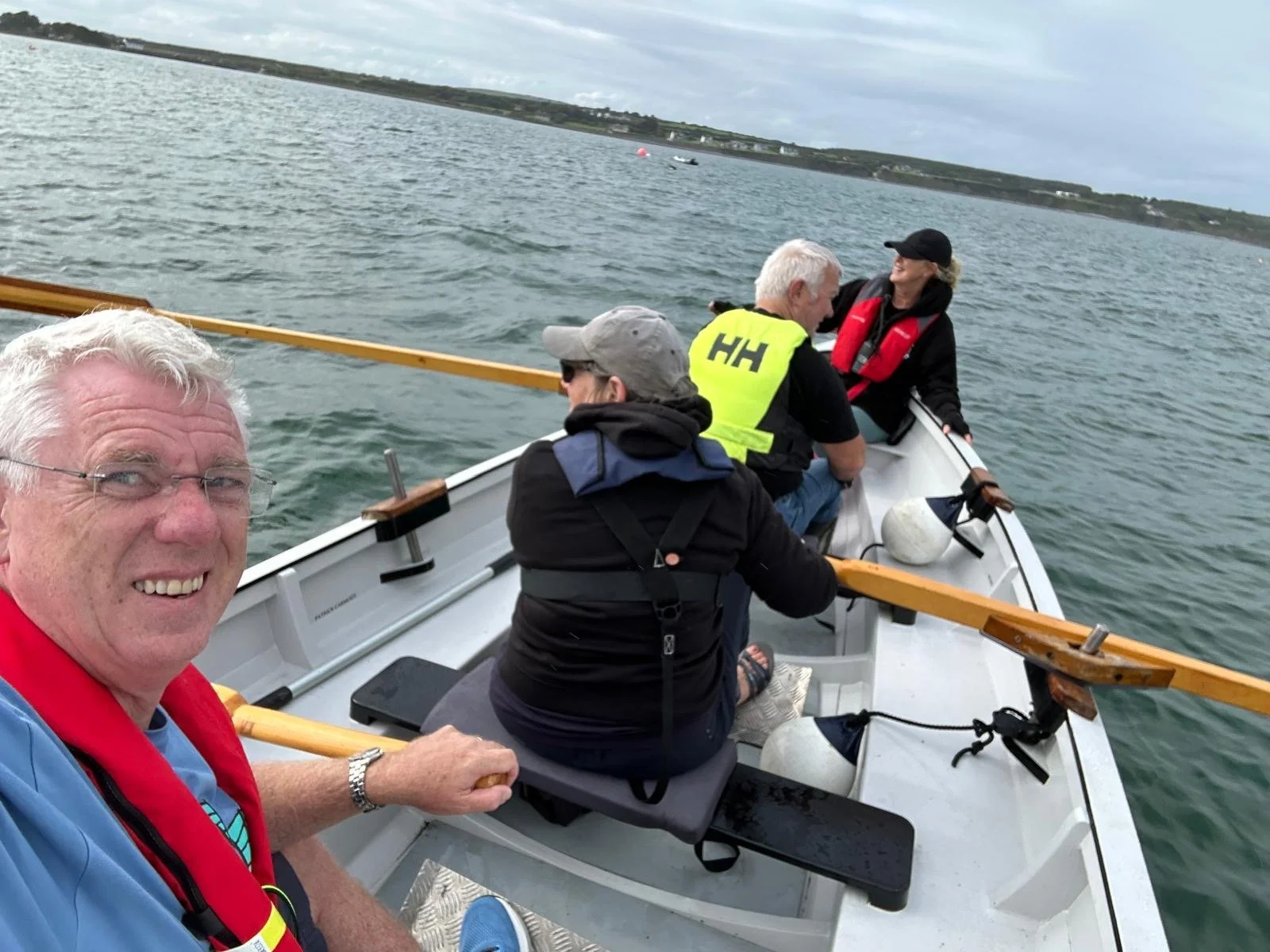
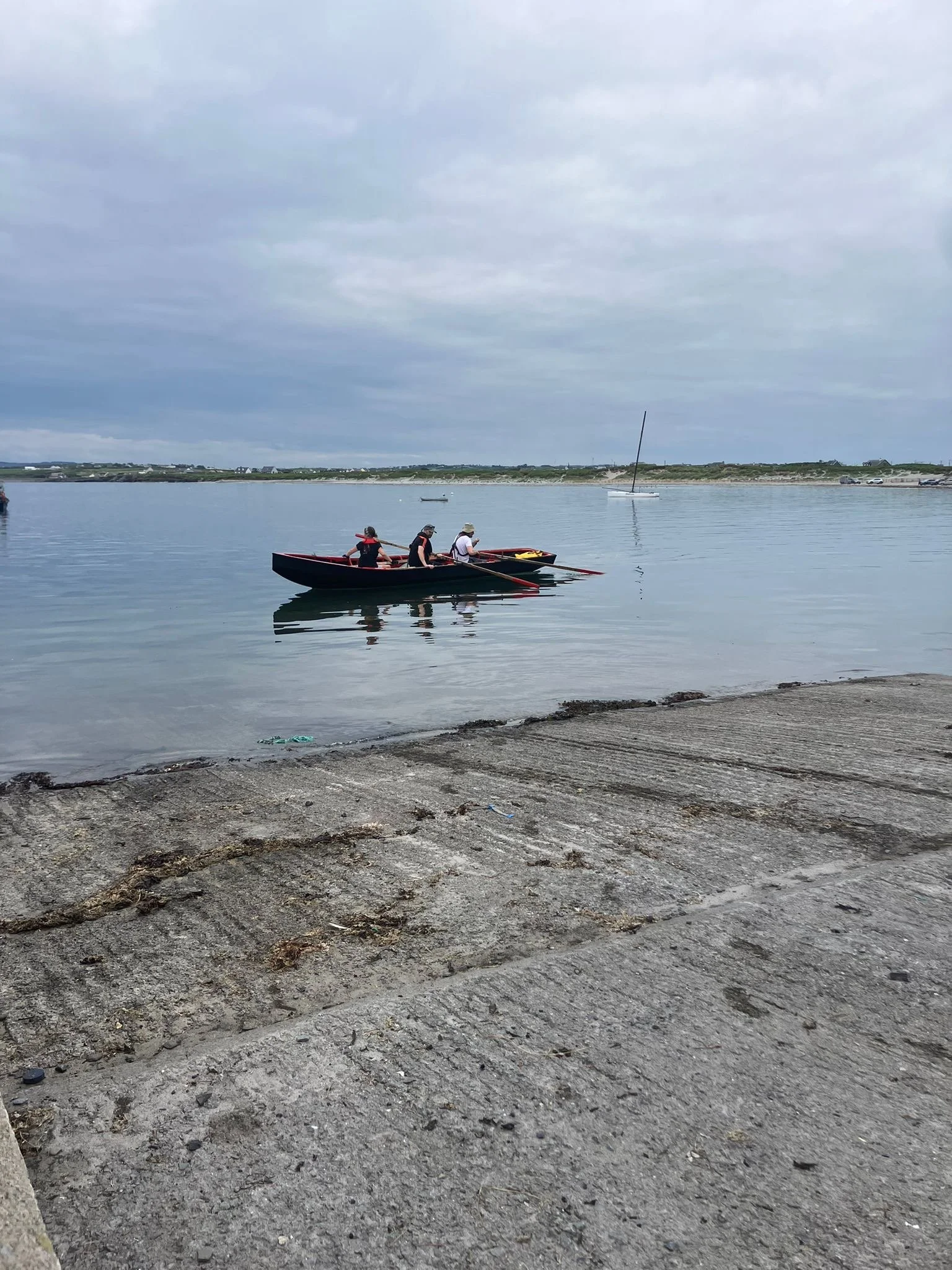
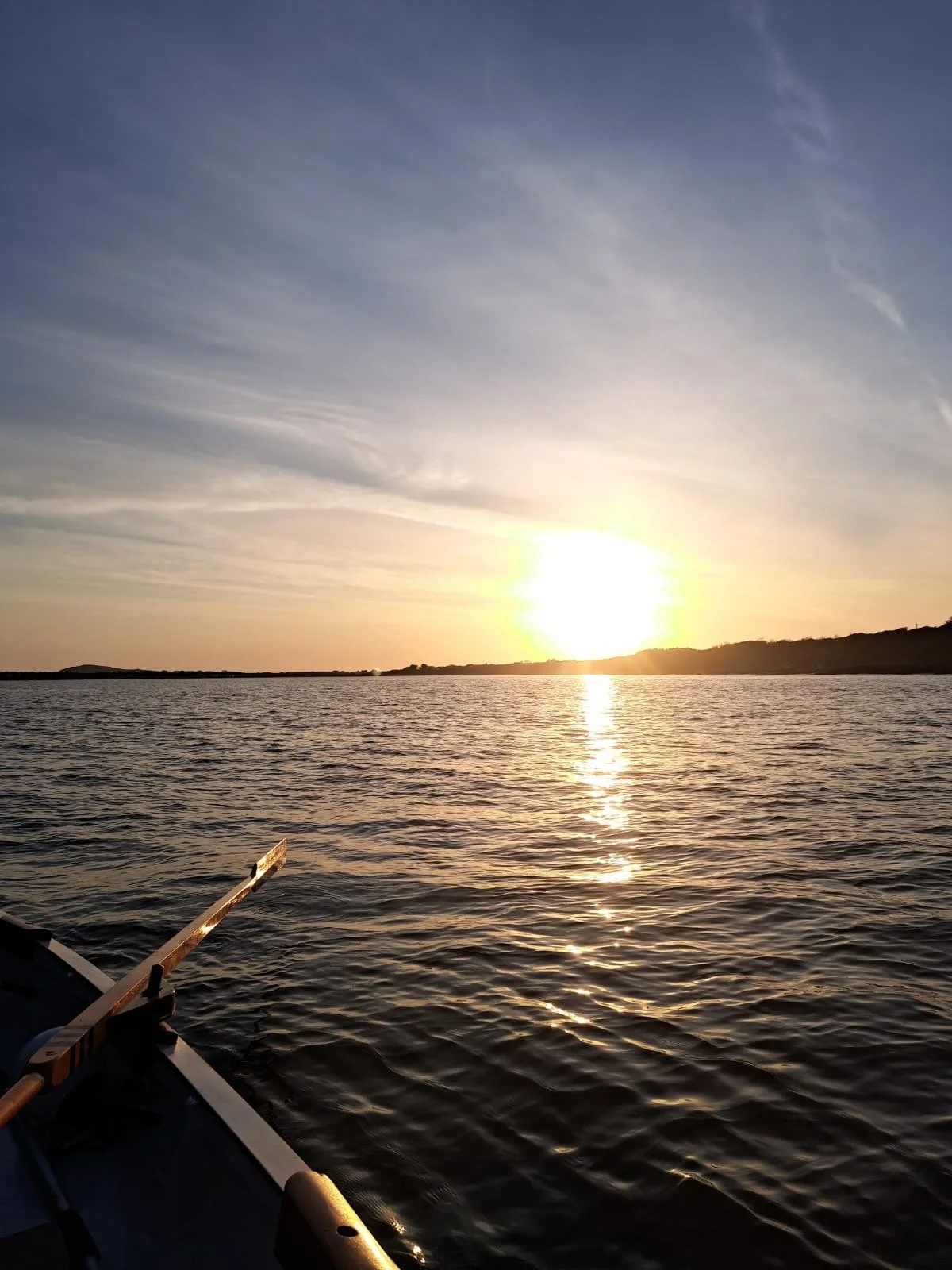
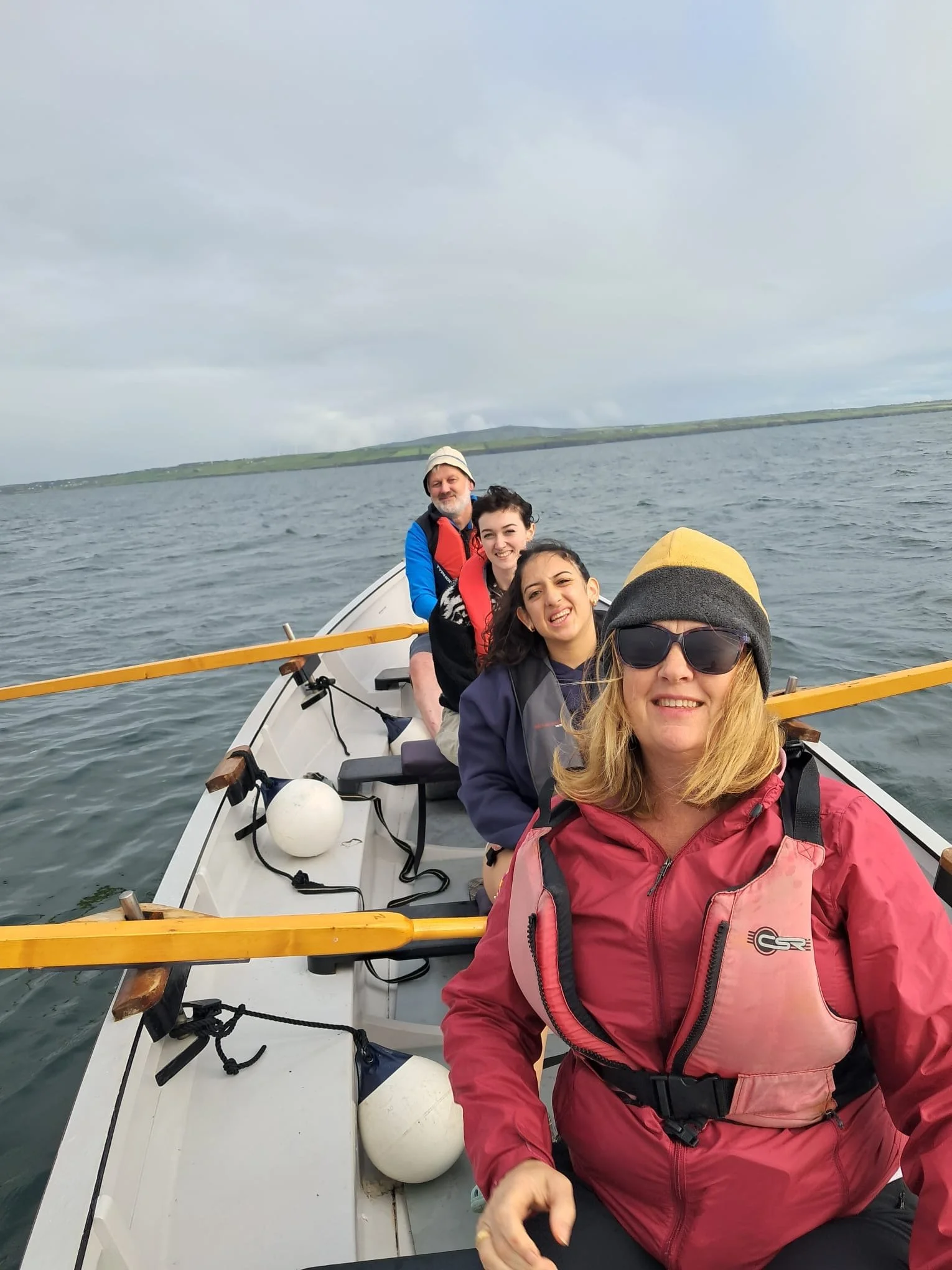
What began as a rowing club has become something far greater, a community bound together by friendship, shared purpose, laughter, hard work, and a deep connection to this remarkable place. Along the way, there have been early mornings on the water, challenging conditions, unforgettable sunsets, celebrations, conversations, and countless moments that remind us why community matters. The photographs below capture only a small glimpse of that journey. They reflect not just rowing, but companionship, pride of place, volunteerism, and the beauty of the landscape that surrounds us every day. As we continue to grow, evolve, and take on new projects, we do so with gratitude for what has already been built and with genuine excitement for what lies ahead. The story of this club, and of this community, is still being written.